
WordPress remains one of the most flexible publishing platforms on the web, but flexibility does not guarantee visibility. In 2026, SEO for WordPress is less about turning on a plugin and more about building a site that is fast, easy to crawl, easy to trust, and genuinely worth citing. That matters even more in link building, where the quality of the destination page often determines whether outreach succeeds or fails.
If your WordPress site has weak architecture, bloated templates, thin archive pages, or poor internal linking, every backlink you earn will work harder than it should. On the other hand, a clean WordPress setup gives your content a better chance to rank, retain link equity, and attract natural mentions over time. This guide covers the best practices for SEO for WordPress in 2026, with a practical emphasis on the foundations that support stronger backlinks and sustainable organic growth.
What matters most for SEO for WordPress in 2026
The biggest shift is not a new trick. It is a higher standard for page quality and site clarity. Search engines want to understand which pages matter, why they matter, and how they connect to the rest of your site. Publishers and editors who link out want the same confidence before they cite a resource.
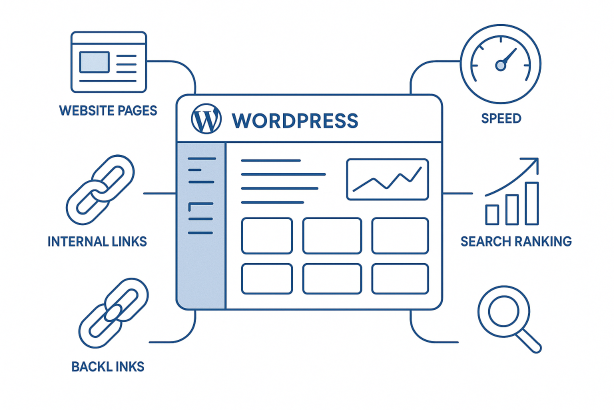
For WordPress sites, that means focusing on four priorities: lean performance, clear indexation rules, strong content structure, and deliberate internal linking. Those are not separate from link building. They are what make a page linkable in the first place. A helpful guide on a slow, messy, duplicate-heavy site is harder to pitch, harder to rank, and easier to abandon.
Build a WordPress foundation that is worth linking to
Use a lean theme and a disciplined plugin stack
Many WordPress SEO problems begin with unnecessary complexity. Heavy themes, overlapping plugins, and script-heavy page builders can create slower pages, messy code, and inconsistent templates. In 2026, that is a direct commercial problem: a page that feels slow or unstable earns less trust from users, editors, and potential link partners.
Choose a lightweight theme, keep plugins limited to clear business needs, and review anything that adds front-end assets sitewide. Good technical SEO for WordPress starts with restraint.
Set clean URL and taxonomy rules
Your permalink structure should be simple and durable. In most cases, short post-name URLs are the safest choice. Avoid dates unless freshness is central to the publication. Keep categories useful, not excessive, and do not create tag archives by habit. Thin archive pages dilute crawl attention and can produce a large amount of low-value indexable URLs.
Every section of the site should answer a clear question: does this page help users, and would you want it to rank? If not, it may belong in navigation without being indexed.
Control duplicate and low-value pages
WordPress can generate author archives, date archives, search results pages, media attachment pages, and filtered URLs that add little SEO value. Review them carefully. Use canonical tags correctly, noindex low-value archives where appropriate, and make sure your preferred versions are consistent. Cleaner indexation improves crawl efficiency and helps concentrate authority on the pages you actually want to earn links.
| Priority | Why it matters for link building | WordPress best practice |
|---|---|---|
| Performance | Editors are less likely to cite poor user experiences | Use a lean theme, caching, optimized images, and limited scripts |
| URL clarity | Simple URLs are easier to understand, share, and preserve | Use stable post-name permalinks |
| Indexation | Link equity should flow to important pages, not thin archives | Noindex low-value archives and manage canonicals carefully |
| Site structure | Strong content hubs create better link destinations | Build pillar pages with supporting posts and contextual internal links |
Create pages that deserve links, not just rankings
Strong SEO for WordPress is not only technical. It is editorial. Many WordPress sites publish articles optimized around keywords but give other websites no real reason to cite them. Linkable pages usually do one of a few things very well: explain a topic clearly, organize a complex subject better than competitors, provide a useful framework, or serve as a definitive reference page.
For WordPress publishers, that often means creating:
- Detailed guides with clear headings and practical examples
- Comparison pages that make decisions easier
- Glossaries and definition pages for recurring industry terms
- Resource hubs that consolidate related articles
- Templates, checklists, and process pages that save time
Use strong title tags, clear introductions, descriptive subheadings, and concise summaries. Add visible author context when relevant. If you use schema markup, keep it aligned with the content on the page rather than treating it as decoration. The goal is not to look optimized. It is to be obviously useful.
Use internal linking as a link building multiplier
An effective internal linking strategy is one of the most underrated parts of WordPress SEO. Backlinks rarely point to every page you want to rank. They usually concentrate on a handful of assets. Internal links help distribute that authority to commercial pages, category hubs, and supporting content.
In WordPress, the best approach is usually editorial rather than automated. Related-post widgets can help discovery, but they should not replace contextual links placed inside the copy. Add links from high-authority posts to priority pages using natural anchor text. Update older articles regularly so they continue feeding relevance and authority into newer content.
Pay special attention to orphan pages. If a page is important enough to rank or receive outreach, it should be linked from relevant category pages, hub pages, and supporting posts. Before you start a backlink campaign, make sure the destination page already sits inside a clear internal network.
Protect rankings with technical SEO for WordPress
Link acquisition is expensive in time and effort, so technical mistakes that waste link equity are especially costly. The technical side of SEO for WordPress in 2026 is about protecting what you earn.
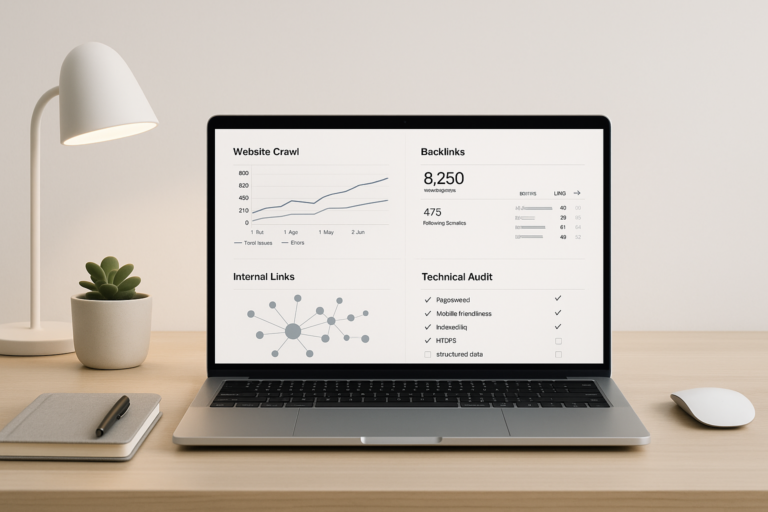
- Core Web Vitals: Focus on stable layouts, responsive templates, optimized fonts, compressed images, and efficient script loading. Fast pages convert better and support stronger engagement signals.
- Redirect management: If you change slugs, consolidate content, or remove outdated pages, use proper 301 redirects. Never leave valuable backlinks pointing to broken URLs.
- XML sitemap quality: Your XML sitemap should reflect index-worthy pages, not every URL WordPress can generate.
- Mobile consistency: Make sure menus, tables, jump links, and comparison layouts work cleanly on smaller screens.
- Canonical hygiene: Avoid sending mixed signals across paginated archives, faceted URLs, and duplicate category paths.
- HTTPS and media integrity: Fix mixed content issues and make sure image URLs, embeds, and asset paths are secure and stable.
If you rely on WordPress SEO plugins, use them to simplify execution, not to outsource judgment. Plugins can manage titles, sitemaps, redirects, and metadata, but they cannot decide which pages deserve indexation or which internal links best support your goals.
Link building tactics that fit WordPress sites in 2026
The best backlink building campaigns are closely tied to your publishing system. WordPress makes that easier when you treat content production and outreach as one workflow instead of two separate teams.
Build linkable assets inside content hubs
Do not publish standalone assets with no structural support. Place them inside relevant categories, connect them to supporting articles, and link to them from navigation or resource pages where appropriate. A strong asset performs better when the rest of the site reinforces its topic.
Refresh existing pages before promoting new ones
Many sites create new posts when they already have underperforming pages that could be improved. Refreshing an older guide, tightening its structure, adding useful tables, and improving internal links often creates a better outreach target than starting again from zero.
Reclaim missed authority
Look for unlinked brand mentions, outdated references, and broken backlinks pointing to removed URLs. Reclamation is often one of the fastest ways to strengthen link equity because the relationship or citation already exists.
Pitch pages that make editors look good
When doing outreach, the page matters as much as the message. Editors are more likely to link to a page that is clearly written, visually clean, easy to scan, and maintained. WordPress gives you control over all of that. Use it. A cluttered page with intrusive elements will undercut even a strong prospect list.
Common WordPress SEO mistakes that weaken link building
- Publishing too many thin tag or archive pages
- Changing URLs without redirect plans
- Letting important pages become buried deep in the site
- Relying on automated internal links instead of editorial context
- Ignoring image optimization and layout stability
- Using multiple plugins that create overlapping metadata rules
- Building outreach campaigns to pages that are not internally supported
Most of these errors are not dramatic on their own. Together, they make a WordPress site harder to crawl, weaker to pitch, and less efficient at converting backlinks into rankings.
Turn SEO for WordPress into a repeatable growth system
The winning approach in 2026 is straightforward: create better destinations, make them easier to discover, and protect every link you earn. That is the real intersection of SEO for WordPress and link building. A fast site, clear architecture, well-planned internal links, and strong editorial assets give every campaign a better chance to work.
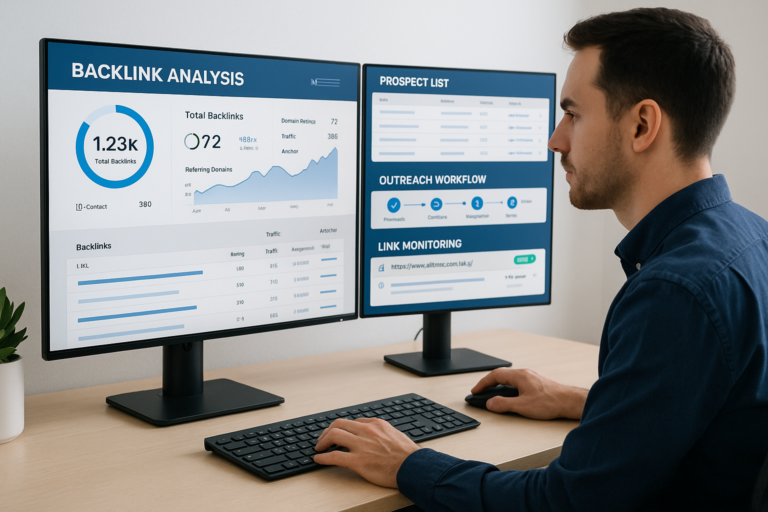
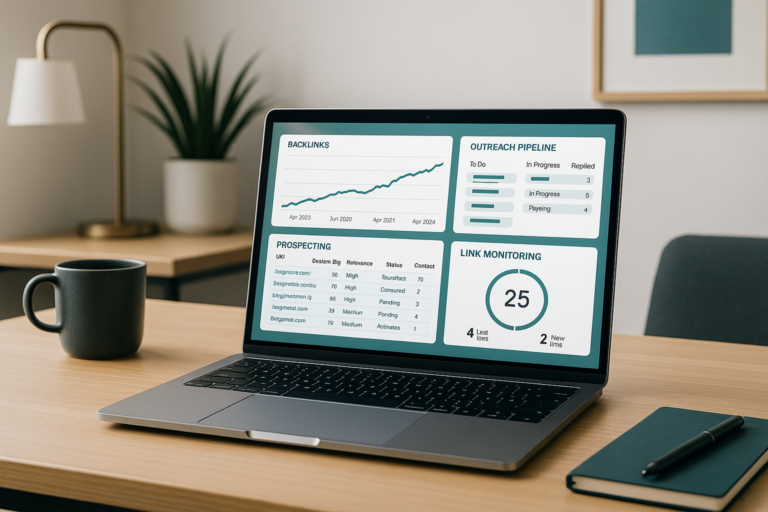
If you want a practical way to find link opportunities, monitor backlink health, and prioritize the on-page fixes that support rankings, Rabbit SEO can help streamline the process. Explore Rabbit SEO to turn your WordPress content into pages that are easier to rank, easier to pitch, and easier to grow.
In the end, the best SEO for WordPress is not a collection of settings. It is a publishing discipline. Get the structure right, publish pages worth citing, and your rankings and links will reinforce each other.