Link Building Tools Buyer Guide: What to Buy for Real SEO Campaigns
A practical buyer guide to link building tools, built around real campaign workflows, tool categories, trade-offs, and the stacks that fit consultants, in-house teams, and agencies.
Choosing SEO software is no longer about finding the longest feature list. This buyer guide shows you how to evaluate platforms through a technical SEO lens so you can buy the right fit for your site, team, and workflow.

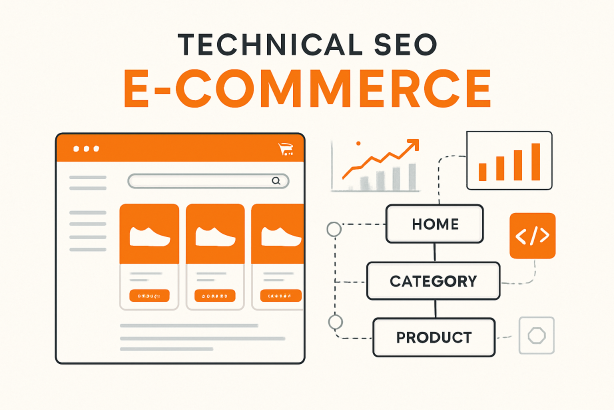
Learn a practical SEO for ecommerce workflow that helps you audit, prioritize, optimize, and scale category and product page performance with a repeatable process.

A practical 2026 guide to SEO for small business, covering local visibility, technical fixes, content strategy, and conversion-focused best practices.

Learn how to use keyword research software the right way in 2026. This practical tutorial covers search intent, keyword difficulty, SERP analysis, topic clusters, and workflow best practices that turn research into rankings and revenue.

The problem with SEO tools is rarely access. It is how teams choose, interpret, and operationalize them. Here are the most common mistakes we see in audit-led case study work, and how to avoid them.

A practical guide to link building tools in 2026, including what to look for, how to build the right stack, and the best practices that keep campaigns efficient and credible.

SEO for WordPress is shifting from plugin-first checklists to faster stacks, cleaner architecture, stronger schema, and smarter indexation. Here is what matters now and how to act on it.

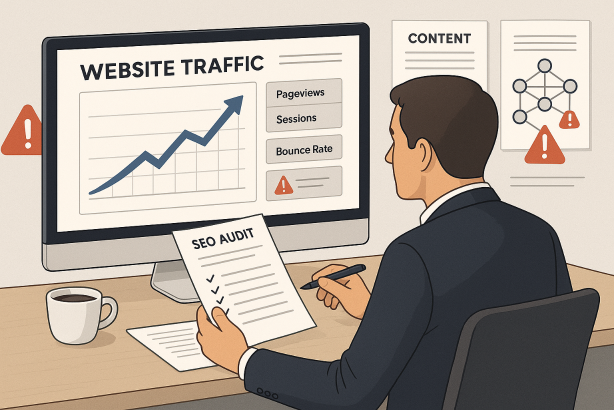
Compare the best SEO audit software for Technical SEO, from crawler-first tools to all-in-one platforms, and learn which option fits your site size, workflow, and budget.

The hot trend in technical SEO tools is clear: brands are moving beyond occasional audits and toward continuous monitoring, faster diagnosis, and tighter connections between technical issues and business impact. Here is what that shift means and how to build a smarter stack.