
SEO Essentials: A Deep Dive into On-Page Optimization Strategies
In the ever-evolving world of search engine optimization (SEO), staying up-to-date with the latest on-page optimization strategies is crucial for achieving success in organic search rankings. On-page optimization plays a significant role in helping search engines understand your website’s content better, enabling them to serve it to the right audience. With that said, let’s take a deep dive into on-page optimization strategies and explore the importance of using SEO on-page optimization tools.
On-page optimization involves making various adjustments to your website’s content and HTML source code to improve its visibility in search engine results pages (SERPs). These optimizations aim to align your website with the search engines’ requirements, making it more accessible and attractive to users and search engines alike.
The first aspect of on-page optimization is keyword research, which allows you to identify the terms your target audience is using to search for information related to your website’s content. Identifying the right keywords is crucial as they form the foundation of your on-page optimization efforts. Once you have a list of relevant keywords, it’s important to strategically incorporate them into your website’s content, meta tags, headers, titles, and URLs to increase your chances of ranking higher in search results.
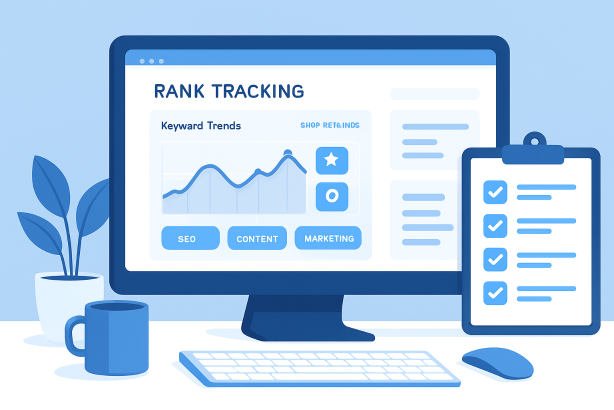
To effectively implement on-page optimization strategies, utilizing an SEO on-page optimization tool can streamline the process and ensure your efforts are effective. These tools provide valuable insights into keyword rankings, content quality, metadata, and overall website performance. By using an SEO on-page optimization tool, you can identify areas of improvement, monitor your website’s progress, and make data-driven decisions to enhance your on-page optimization efforts.
Apart from keyword usage, optimizing your website’s content is crucial for on-page optimization. Well-written and relevant content not only appeals to users but also helps search engines understand the context and relevance of your website. Avoid keyword stuffing, as it can negatively impact your rankings. Instead, focus on creating high-quality content that provides value to your audience and incorporates keywords naturally.
Another important aspect of on-page optimization is optimizing your website’s metadata. Title tags and meta descriptions are essential elements that appear in search engine results and influence click-through rates. A compelling and keyword-rich title tag can entice users to click on your website in search results, while an informative meta description can provide a brief summary of your webpage’s content. Utilize your SEO on-page optimization tool to analyze and optimize these elements for improved visibility and click-through rates.
In addition to keywords and content, optimizing your website’s headers and URL structure is crucial. Headers (H1, H2, H3, etc.) help search engines understand the hierarchy and structure of your content. Including keywords in your headers can provide further context and relevancy signals to search engines. Similarly, optimizing your URL structure by incorporating relevant keywords and making it user-friendly improves both user experience and search engine visibility.
Website speed and mobile responsiveness also play a significant role in on-page optimization. Search engines consider page load times as a ranking factor, as faster websites provide a better user experience. Optimizing your website’s speed by compressing images, minifying code, and utilizing caching mechanisms can improve your rankings. Additionally, with the majority of internet users accessing the web through mobile devices, having a mobile-responsive website is essential for on-page optimization. Ensure your website is mobile-friendly and offers a seamless browsing experience across different devices.
Monitoring and analyzing the performance of your on-page optimization efforts is crucial for continuous improvement. An SEO on-page optimization tool provides key metrics and insights, including organic traffic, keyword rankings, bounce rates, and user engagement. These metrics help you identify any issues, measure the effectiveness of your strategies, and adjust your on-page optimization tactics accordingly.
In conclusion, on-page optimization is a fundamental aspect of SEO that requires continuous effort and adaptation. By utilizing effective strategies such as keyword research, content optimization, metadata optimization, and website speed enhancements, you can improve your website’s visibility and rankings in search results. To simplify the process and ensure your efforts are fruitful, make use of SEO on-page optimization tools. These tools provide valuable insights and data-driven recommendations for refining your on-page optimization strategies. Embracing these on-page optimization techniques and utilizing the right tools will empower you in boosting your website’s performance in organic search rankings.
For more information on SEO Onpage Optimization Tool contact us anytime.