Internal linking is a powerful tool for improving a website’s search engine optimization (SEO) success. By strategically linking pages within a website, marketers can boost their site’s visibility and authority in the eyes of search engines like Google. In this blog post, we will explore the importance of internal linking for SEO and provide tips on how to effectively use this strategy to improve your website’s ranking.
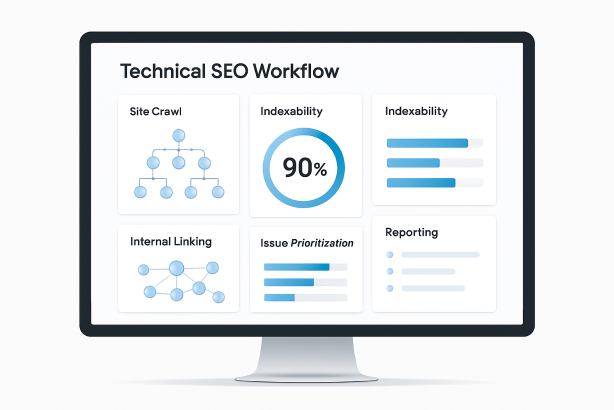
First and foremost, internal linking helps search engines understand the structure and hierarchy of your website. When search engine crawlers crawl your website, they follow the links from one page to another. By strategically linking your pages together, you can guide the crawlers to important pages on your site, ensuring that they are indexed properly and appear in search results.
Internal linking also helps to distribute authority and link juice throughout your website. When you link from a high-authority page to a lower-authority page, you are passing on some of that authority and helping to boost the visibility of the linked page in search results. This can help improve the overall ranking of your website and drive more organic traffic.
Moreover, internal linking can improve the user experience of your website. By providing links to relevant content within your website, you are helping users easily navigate between pages and find the information they are looking for. This can increase user engagement and reduce bounce rates, which are important metrics for SEO success.
So, how can you effectively use internal linking to improve your website’s SEO success? Here are some tips to get you started:
1. Create a site structure: Before you start linking your pages together, it’s important to have a clear site structure in place. Organize your content into categories and subcategories, and ensure that each page is linked to relevant pages within the same category.
2. Use anchor text: When creating internal links, use descriptive anchor text that tells users and search engines what the linked page is about. Avoid vague anchor text like “click here” and instead use keywords that are relevant to the linked page.
3. Link from high-authority pages: When creating internal links, prioritize linking from high-authority pages to lower-authority pages. This will help pass on authority to the linked pages and improve their visibility in search results.
4. Use a variety of anchor text: Don’t always use the same anchor text when linking to a particular page. Mix it up with different variations of keywords to provide a more diverse link profile and avoid over-optimization.
5. Monitor your internal links: Regularly audit your internal links to ensure they are working properly and pointing to relevant pages. Fix any broken links and update outdated links to maintain a healthy internal linking structure.
In conclusion, internal linking is a powerful strategy for improving your website’s SEO success. By strategically linking your pages together, you can help search engines understand your site’s structure, distribute authority throughout your website, and improve the user experience. Follow the tips mentioned above to effectively use internal linking and watch your website’s ranking soar in search results.