
Choosing SEO audit software sounds simple until you start comparing real workflows. Some tools are built for deep crawling and technical investigation. Others bundle audits into broader SEO suites alongside keyword tracking, backlink research, and reporting. A few are designed for enterprise teams managing complex sites, multiple stakeholders, and massive URL counts. The challenge is not finding a platform with features. It is finding the right fit for your Technical SEO process.
This commercial comparison looks at the best SEO audit software options by use case, not by hype. Instead of chasing the longest feature checklist, the smarter approach is to match the tool to your site size, audit frequency, reporting needs, and in-house capabilities. A solo consultant, a growing ecommerce team, and a large enterprise publisher should not buy the same platform for the same reasons.
If you want a clearer buying decision, start with this rule: the best SEO audit software is the one that helps your team find issues quickly, prioritize the fixes that matter, and revisit site health consistently. That means strong crawl data, useful issue grouping, and enough flexibility to support the way your team actually works.
What good SEO audit software should actually do
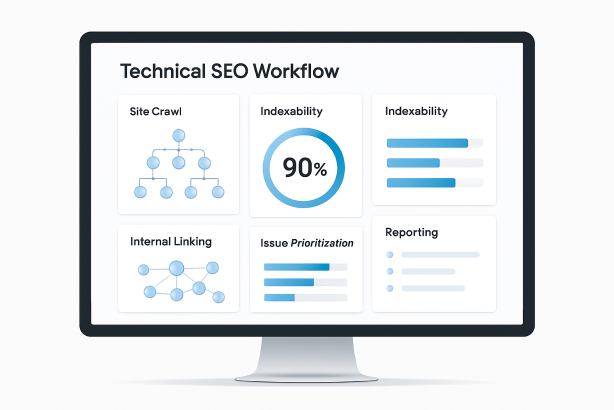
In Technical SEO, software should do more than produce a long list of warnings. It should help you diagnose the causes behind indexation, crawl efficiency, site architecture, and on-page quality problems. At minimum, the right platform should support five core jobs.
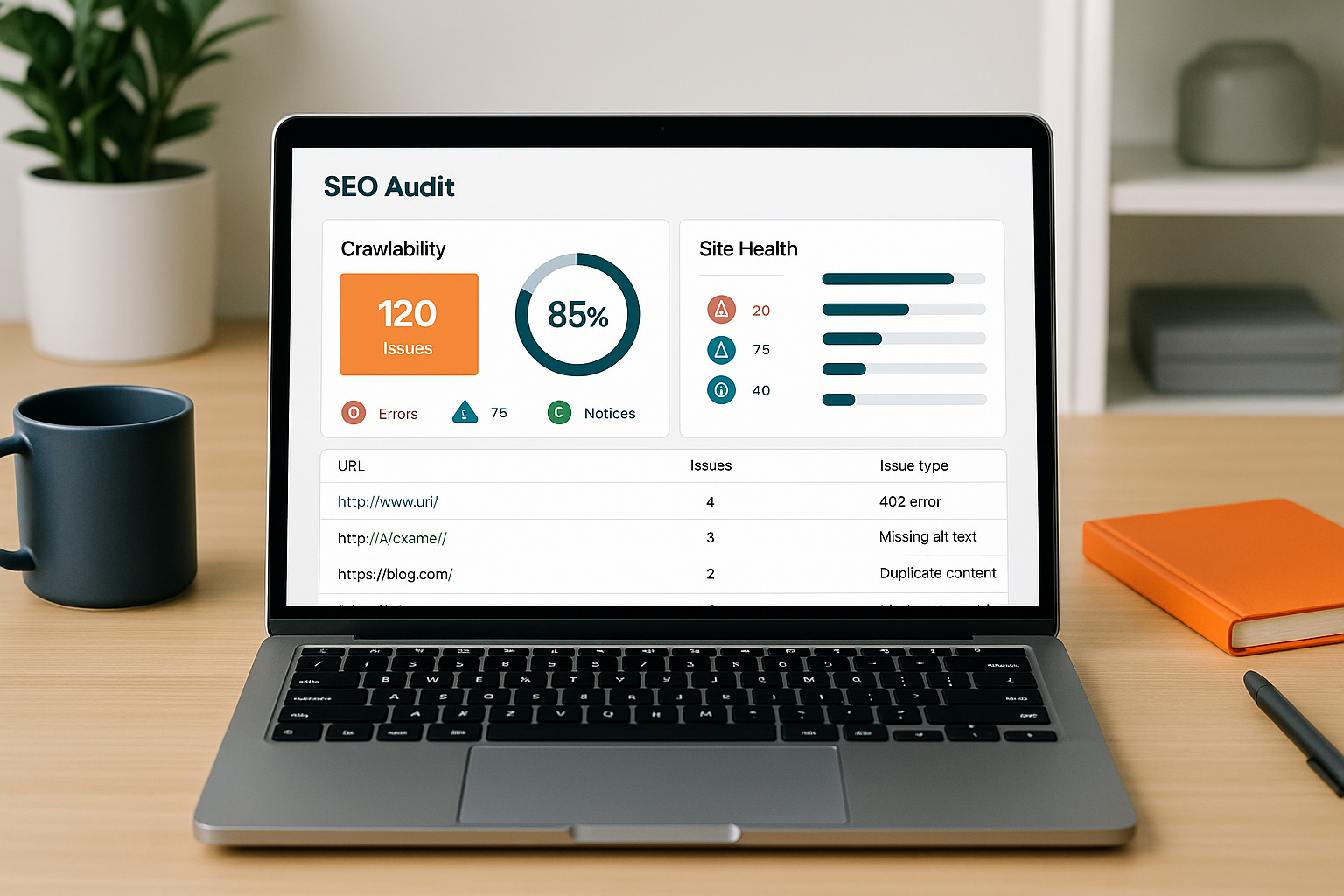
- Crawlability and indexability: Surface broken links, redirect chains, canonical conflicts, robots directives, noindex usage, XML sitemap issues, orphaned pages, and status code patterns.
- On-page SEO audit coverage: Review titles, meta descriptions, headings, duplicate content patterns, thin pages, missing directives, and template-level issues.
- Internal linking analysis: Show how authority flows through the site, where important pages are buried, and which sections are overlinked, underlinked, or disconnected.
- Technical prioritization: Separate critical blockers from lower-value recommendations so teams can focus on fixes with business impact.
- Reporting and collaboration: Make audit findings usable for marketers, developers, product teams, and clients without forcing everyone to read raw crawl exports.
The biggest buying mistake is choosing a tool because it can do everything in theory, then using only a small fraction of it in practice. A strong website audit tool should fit your operating rhythm. If your team runs weekly checks, the software has to be fast and repeatable. If you work on large migrations or deeply technical troubleshooting, you need finer crawl control and more diagnostic depth.
SEO audit software comparison table
No single platform wins every Technical SEO scenario. This table gives a practical buyer’s view.
| Tool | Best for | Standout strengths | Trade-offs |
|---|---|---|---|
| Rabbit SEO | Teams that want practical recurring audits | Approachable workflow for ongoing site health reviews | Should be compared carefully with specialist crawlers for highly advanced investigations |
| Screaming Frog SEO Spider | Hands-on technical SEOs and consultants | Granular crawl control, flexible exports, strong customization | Desktop workflow and steeper learning curve for non-specialists |
| Sitebulb | Teams that want guided audits and visual explanations | Clear issue presentation and strong visual reporting | Less ideal if you need enterprise-grade cloud scale |
| Semrush Site Audit | Marketers who want audits inside a broader SEO suite | Convenient all-in-one environment for SEO management | Less crawler-style flexibility than specialist technical tools |
| Ahrefs Site Audit | Teams already invested in Ahrefs | Useful site health visibility within an established SEO stack | Often complemented by deeper technical crawlers for advanced work |
| Lumar | Large organizations with enterprise requirements | Cloud-based scale, governance, and collaboration support | Complexity and cost can exceed smaller teams’ needs |
| JetOctopus | Very large sites and log-focused analysis | Strong fit for scale-sensitive crawling workflows | May be more platform than small and mid-sized sites require |
| SE Ranking | Budget-conscious teams wanting a broader SEO toolkit | Accessible auditing within a wider platform | Advanced technical users may want deeper crawl configuration |
Best SEO audit software options in more detail
Rabbit SEO
Rabbit SEO is worth evaluating if your team wants SEO audit software that stays practical. For many in-house marketers, founders, and smaller agencies, the real need is not endless technical complexity. It is a repeatable way to monitor site health, identify meaningful issues, and keep audits moving from detection to action. That makes Rabbit SEO a sensible option to compare if your priority is clarity and day-to-day usability. The key buying question is whether its workflow matches the depth of analysis your team needs on a recurring basis.
Screaming Frog SEO Spider
Screaming Frog remains one of the most trusted crawler-first tools in Technical SEO. It is often the choice for consultants and specialists who need detailed control over how a site is crawled and exported. If you routinely work with redirect mapping, canonical analysis, duplicate template patterns, custom extraction, and complex site structures, it is hard to ignore. The trade-off is usability. It asks more from the operator than many cloud-based platforms do, so it is strongest in expert hands rather than as a simple shared reporting environment.
Sitebulb
Sitebulb appeals to teams that want a site audit software experience with more guidance and easier interpretation. Its strength is translating technical findings into visual, structured analysis that can be easier to explain to clients or cross-functional teams. That makes it attractive for agencies, in-house generalists, and SEO leads who need both audit depth and presentable outputs. If your work depends on large-scale cloud crawling across very large websites, you may still want to compare it with more enterprise-oriented platforms before deciding.
Semrush Site Audit
Semrush is a strong commercial option when the audit tool is only one part of your buying decision. Many teams want keyword research, rank tracking, content planning, competitor analysis, and technical checks in a single subscription. In that context, its site audit component is convenient and efficient. It works especially well for marketing teams that need broad visibility without building a specialist technical stack. The trade-off is that highly technical users may find it less flexible than a dedicated SEO crawler when debugging complex site behavior.
Ahrefs Site Audit
Ahrefs is often chosen by teams already using it for backlinks, keyword research, and content opportunity analysis. Its audit environment gives a useful view of site health inside a platform many marketers already know well, which can reduce tool sprawl. For ongoing monitoring and high-level technical oversight, that convenience matters. Still, advanced Technical SEO work frequently benefits from pairing Ahrefs with a more specialized crawler. If you need detailed extraction, custom crawl behavior, or highly granular troubleshooting, compare its workflow carefully against dedicated audit-first tools.
Lumar
Lumar is typically evaluated by larger organizations where crawl scale, organizational workflow, and governance matter as much as issue discovery. Enterprise teams often need cloud infrastructure, collaboration features, and the ability to support large, complex sites without relying on a single desktop operator. In that environment, Lumar enters the conversation for good reason. For smaller businesses, though, the main question is whether that level of platform sophistication is necessary. If your audits are straightforward and your site footprint is limited, simpler software may create faster operational value.
JetOctopus
JetOctopus is a serious option when site size becomes a defining factor in the purchase. Large ecommerce catalogs, extensive publishing archives, and technically demanding projects often need cloud-based crawling that can handle scale more comfortably than desktop-first workflows. It is also frequently considered in conversations where log-file analysis and crawl behavior are central to decision-making. For smaller teams, that power can be more than necessary. The best buyers for JetOctopus usually know they have scale problems that simpler audit tools no longer solve efficiently.
SE Ranking
SE Ranking is often considered by smaller businesses and agencies that want a broader platform without committing to premium enterprise pricing. As a website audit tool, it covers the fundamentals many teams need for routine health checks, and it sits inside a wider product that can support rank tracking and other SEO tasks. That makes it commercially attractive for budget-conscious buyers. The limitation is depth. Once your technical requirements become more specialized, you may start looking for stronger crawl control, richer exports, or more advanced diagnostic capabilities elsewhere.
Which SEO audit software is best for your use case?
The fastest way to narrow the shortlist is to buy by workflow.
- Best for specialist technical audits: Screaming Frog or Sitebulb if you need deeper hands-on analysis and more manual control.
- Best for all-in-one SEO management: Semrush or Ahrefs if the audit tool needs to live alongside research, tracking, and broader marketing work.
- Best for enterprise scale: Lumar or JetOctopus when crawl size, collaboration, and infrastructure become major buying factors.
- Best for accessible ongoing site health checks: Rabbit SEO or SE Ranking if you want a more practical day-to-day workflow without enterprise complexity.
That distinction matters because many teams overbuy. They pay for enterprise functionality when what they really need is repeatable auditing, clear prioritization, and reporting that non-technical stakeholders can understand. Others make the opposite mistake and buy a simple suite when their site architecture, international footprint, or crawl demands actually require a more specialized platform.
How to choose SEO audit software without overspending
Before you commit, pressure-test the shortlist against these buying questions.
- How large and complex is the site? A small brochure site and a massive ecommerce catalog do not need the same crawler.
- Who will use the tool every week? If the primary user is a technical SEO specialist, depth may matter most. If multiple teams need access, usability and reporting become more important.
- Do you need a specialist or a suite? A dedicated SEO crawler often wins on technical control. An all-in-one platform may deliver better total value if you also need research and tracking.
- How often will you audit? One-off migration projects can justify a different purchase than continuous site monitoring.
- What outputs matter? Raw data exports, dashboards, client-facing reports, issue grouping, and collaboration features all matter differently depending on your process.
- What is the cost of complexity? A powerful platform that few people can operate may create less value than a simpler tool your team actually uses consistently.
Also remember that no SEO audit software replaces human judgment. Technical SEO still requires interpretation. A tool can surface duplicate pages, redirect waste, indexation problems, and internal linking gaps, but it cannot decide your business priorities for you. The best commercial choice is the platform that helps your team make better decisions faster.
A practical next step for buyers
Commercial takeaway: if you are evaluating SEO audit software for recurring Technical SEO work, compare tools side by side using your real site, your real reporting needs, and your real team. Do not buy the most famous platform by default. Buy the one that fits your operating model.
If you want a practical starting point, put Rabbit SEO on the shortlist and assess it against the alternatives above based on audit clarity, usability, issue prioritization, and how easily your team can turn findings into fixes. That comparison will tell you more than any feature checklist alone.
Conclusion
The best SEO audit software is not universally the most advanced or the most expensive. It is the platform that aligns with your Technical SEO workload, site complexity, and decision-making process. For deep specialist crawling, crawler-first tools still lead. For broader marketing teams, integrated suites can be the smarter commercial choice. For enterprises, scale and governance often justify dedicated platforms. And for teams that want a more practical, repeatable approach to site health, a streamlined option such as Rabbit SEO deserves serious consideration.
Make the decision based on fit, not noise. When SEO audit software matches the way your team actually works, technical issues get found sooner, prioritized better, and fixed more consistently.