
If you want to know how to rank higher on Google in 2026, start with this idea: SEO is no longer about isolated tricks. It is about building the best answer, presenting it clearly, and making your site easy for both users and search engines to trust.
Google keeps getting better at interpreting intent, evaluating content quality, and understanding whether a page deserves visibility for a given query. That means sustainable growth comes from strong fundamentals: useful content, technical reliability, clear topical coverage, and a site experience that removes friction.
This playbook is built for marketers, founders, and small business teams that want practical steps rather than vague advice. Use it to prioritize what matters, avoid wasted effort, and create an SEO process you can improve over time.
Why Google rankings work differently in 2026
Ranking well today is less about matching a keyword exactly and more about meeting the full need behind a search. Google looks at the query, the likely intent, the quality of available pages, and the signals that suggest a page is trustworthy and useful.
In practical terms, this means three shifts matter most:
- Intent matters more than volume. A lower-volume keyword with clear buying or problem-solving intent can outperform a broader term.
- Topical coverage beats thin targeting. One page can rank, but clusters of related, high-quality pages build stronger relevance.
- Experience supports visibility. Slow pages, confusing layouts, and weak internal linking often hold back otherwise good content.
If your current strategy is still centered on publishing more pages without a content structure or a technical review process, 2026 is a good time to reset.
How to rank higher on Google starts with search intent
The fastest way to miss rankings is to create a page that answers the wrong question. Before you write or optimize anything, decide exactly what the searcher wants.
Map keywords to the right page type
Every keyword suggests a format. Some searches need a blog post, others need a landing page, product page, comparison page, tool page, or local service page. If the top results are mostly guides, a sales page will struggle. If the top results are service pages, a general article may not compete.
For each target keyword, review the current search results and ask:
- Are users trying to learn, compare, buy, or find a local provider?
- Do the top pages go broad or deep?
- What subtopics appear repeatedly in high-ranking results?
- What questions are still unanswered or poorly explained?
This is the foundation of strong search intent optimization. Match the page to the need first, then optimize details.
Build the page around the next question
Great content does more than answer the main query. It anticipates what comes next. Someone searching how to rank higher on Google may also need help with technical SEO, internal links, topical authority, or page speed. When your page addresses those next-step questions naturally, it becomes more complete and more useful.
That is also where supporting tools can help. Platforms like Rabbit SEO can make it easier to spot keyword opportunities, page gaps, and optimization tasks without turning your workflow into a spreadsheet maze.
Build a technically solid site before you chase links
Technical SEO will not turn weak content into a top result, but it often determines whether your best pages can perform at all. A strong technical SEO checklist in 2026 should focus on crawlability, indexability, speed, structure, and page quality.
- Make important pages easy to crawl. Use clean navigation, logical internal links, and XML sitemaps.
- Control indexation. Remove or noindex thin, duplicate, filter, and low-value pages that dilute site quality.
- Improve speed and stability. Compress heavy images, reduce unnecessary scripts, and keep layouts stable on mobile.
- Use clear URL structures. Short, descriptive slugs help users and support site organization.
- Check canonical signals. Make sure duplicate or near-duplicate pages point to the preferred version.
- Fix broken links and redirect chains. These create friction for both crawlers and users.
For small teams, the goal is not perfection. It is to remove the biggest blockers first. If Google cannot efficiently crawl your site or if your core pages load poorly on mobile, publishing more content will not solve the real problem.
Create topical depth instead of isolated content
One of the clearest Google ranking factors 2026 is topical completeness. Google wants confidence that your site understands the subject, not just one phrase on one page.
Use topic clusters
Start with a core page targeting the main term, then support it with related articles that answer narrower questions. For example, a site targeting how to rank higher on Google might publish supporting content on internal linking, title tags, local SEO, content refreshes, and site audits. Those pages should link back to the main guide and to each other where useful.
This approach builds topical authority SEO over time. It also helps users move through the subject naturally instead of leaving your site to find the next answer somewhere else.
Refresh pages before replacing them
Many sites create new articles when an existing page only needs an update. If a page has some relevance, links, or history, it is often smarter to improve it. Expand weak sections, update examples, tighten headings, improve internal links, and align the page with what searchers expect now.
A disciplined SEO content strategy usually beats a high-volume publishing plan.
Optimize pages for clarity, relevance, and clicks
On-page optimization still matters, but the best on-page SEO best practices are about clarity more than keyword stuffing.
- Put the primary keyword in strategic places. Use it in the title, introduction, one or two headings, the meta description, and conclusion where natural.
- Write titles for humans first. Strong titles are clear, specific, and worth clicking.
- Use descriptive headings. Good headings improve scanning and help search engines understand structure.
- Cover the topic completely. Include definitions, steps, examples, common mistakes, and follow-up questions where relevant.
- Strengthen internal links. Link to related pages using natural anchor text that helps users continue their journey.
- Improve image usefulness. Compress images, add relevant alt text, and use visuals only when they support understanding.
Do not over-optimize. Repeating a phrase excessively or forcing related keywords into every paragraph can make the page weaker, not stronger. Write naturally, then polish for relevance and structure.
Improve the user experience signals you can control
You cannot control every behavioral signal, but you can influence whether visitors feel confident, engaged, and able to complete their task. That matters because pages that satisfy users tend to earn stronger long-term performance.
Focus on the basics:
- Make the main answer visible near the top of the page.
- Use short paragraphs and helpful subheadings.
- Keep design clutter low, especially on mobile.
- Reduce intrusive pop-ups and aggressive ad placements.
- Make navigation predictable so users can find related information quickly.
For small business SEO tips, this is especially important. A smaller brand often wins not by being louder, but by being clearer and easier to trust.
Earn authority with links, mentions, and trust
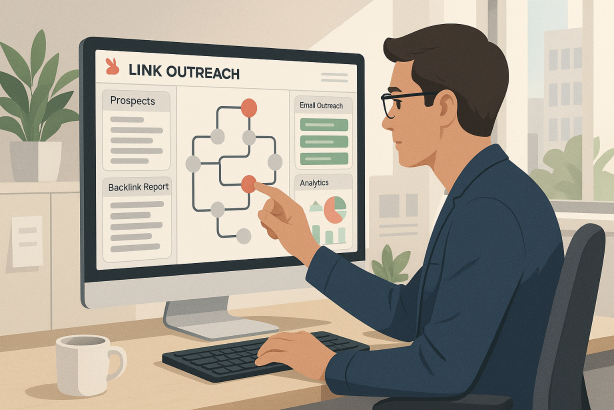
Authority still matters, but link building in 2026 works best when it is tied to reputation and relevance. Random link volume is not a strategy. You want links and mentions from sites, communities, and resources that make sense for your market.
Some practical ways to build authority include:
- Publishing useful original resources such as checklists, templates, or explainers.
- Creating pages that are easier to reference than competing content.
- Building partnerships, guest contributions, or expert commentary in relevant publications.
- Earning links through local organizations, associations, and industry directories when appropriate.
- Maintaining accurate business information across key profiles if local visibility matters.
Trust signals matter too. Clear contact information, transparent service details, author visibility when relevant, and a well-maintained site all support credibility. None of these guarantee rankings, but together they strengthen the case that your site deserves visibility.
Use AI carefully in your SEO workflow
AI can help with research, outlines, page summaries, and content audits, but it should not replace judgment. If you use AI to scale thin or generic pages, you may create more content while reducing overall quality.
The better use case is operational: speed up research, identify optimization gaps, draft first-pass structures, and support content refreshes. Then apply human editing to improve accuracy, nuance, brand voice, and examples.
For SEO teams trying to do more with less, the most effective workflow is usually a blend of automation and editorial control. Tools such as Rabbit SEO can support that process by helping teams prioritize issues and opportunities, while humans make the final decisions about quality and strategy.
Track what matters and iterate monthly
If you want to know whether your SEO is working, do not look only at raw traffic. A page can gain visits while missing the queries that matter to your business. Instead, track a focused set of signals:
- Rankings for primary and secondary keywords
- Click-through rate from search results
- Organic conversions or lead actions
- Pages gaining or losing impressions
- Indexation and crawl issues
- Internal link coverage for priority pages
Review this monthly. Update underperforming pages, strengthen related content, improve titles, and fix technical issues that limit visibility. SEO compounds when you refine what already exists instead of constantly starting over.
Common mistakes that hold rankings back
- Targeting keywords without checking intent. Good writing cannot save a mismatched page type.
- Publishing thin variations of the same topic. Consolidate overlap and build stronger pages.
- Ignoring internal links. Great pages often stay buried because the site does not point users and crawlers toward them.
- Letting technical debt grow. Broken pages, duplicate content, and slow templates drag down performance.
- Chasing shortcuts. Sustainable rankings come from consistency, not hacks.
If your site is stuck, the answer is usually not one dramatic tactic. It is a combination of better alignment, better structure, and better execution.
FAQ: How to rank higher on Google in 2026
What is the fastest way to improve Google rankings?
The fastest gains often come from fixing pages that already have some visibility. Improve search intent match, tighten titles and headings, expand missing sections, add internal links, and resolve major technical problems. That is usually more effective than publishing a brand-new page from scratch.
How important is content length for SEO?
Length matters far less than completeness and usefulness. Some queries need a short answer. Others need a detailed guide. Focus on covering the topic well, matching the result type users expect, and removing unnecessary filler.
Can small businesses still rank against larger brands?
Yes, especially in niche, local, or high-intent searches. Smaller sites can compete by targeting specific problems, building strong service pages, improving local relevance, and creating clearer user experiences than broader competitors.
Do backlinks still matter in 2026?
Yes, but relevance and trust matter more than raw volume. A few strong links from credible, contextually related sources are often more valuable than many weak ones. Backlinks support rankings best when the page itself already deserves to rank.
Should I use AI to write SEO content?
AI can help with research and drafting, but it should not be your quality standard. Use it to speed up process work, then apply expert review, editing, and fact-checking. Search visibility is easier to sustain when content is genuinely useful and clearly differentiated.
Conclusion: How to rank higher on Google with a practical system
Learning how to rank higher on Google in 2026 comes down to doing the fundamentals better than most sites do them: match search intent, fix technical barriers, build topical depth, optimize pages for clarity, and earn trust over time.
There is no single tactic that guarantees top positions. But there is a reliable process: publish the right pages, improve them consistently, and support them with a site structure that helps users and search engines alike.
If you want a simpler way to organize audits, optimization opportunities, and ongoing SEO work, explore Rabbit SEO. It is a practical starting point for teams that want clearer priorities and better search visibility without unnecessary complexity.