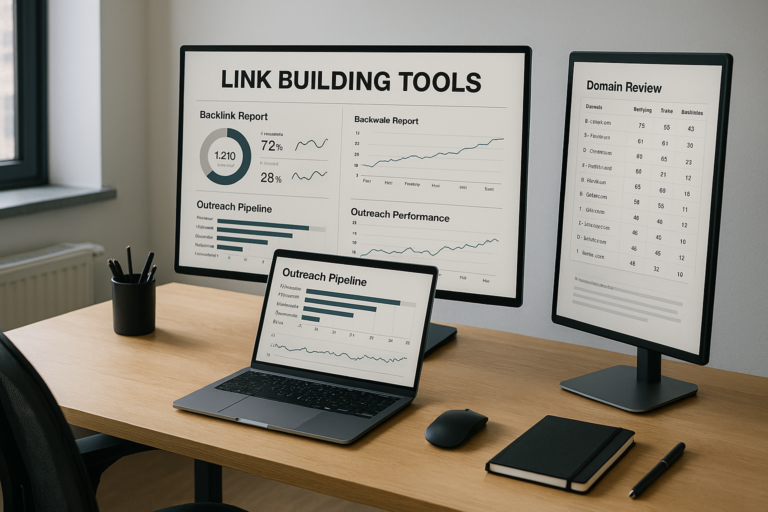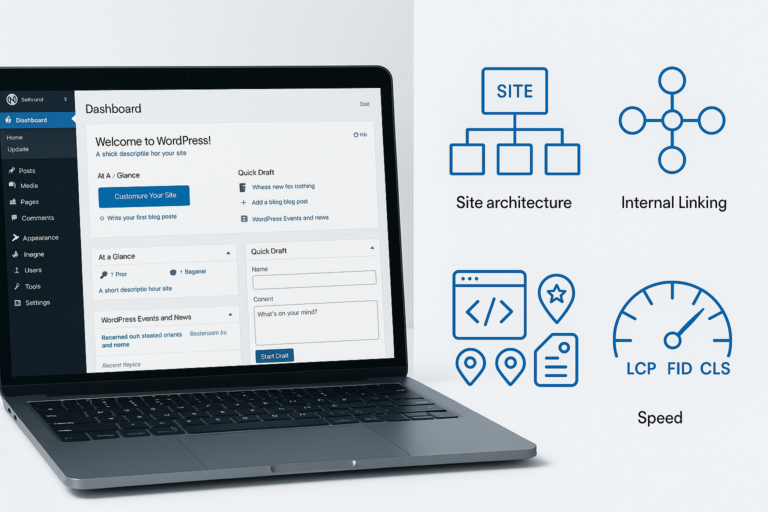

SEO audit software has moved far beyond the old model of running a crawl, exporting a spreadsheet, and working through a backlog whenever time allowed. That approach still exists, but it no longer matches how fast websites change, how often teams publish, or how quickly technical issues can affect visibility. Today, the strongest platforms are becoming less like occasional diagnostic tools and more like operational systems for ongoing search performance.
That shift is the hot trend worth watching. Modern teams do not just want a website audit tool that finds broken links and missing tags. They want a platform that can surface risk early, prioritize fixes, support collaboration, and help connect technical SEO work to real business decisions. In other words, they want SEO audit software that fits the way search teams actually work now.
For in-house marketers, consultants, agencies, and enterprise SEO teams, this matters because audit workflows are under pressure from both sides. Websites are more complex than they used to be, while expectations for speed, clarity, and measurable impact are higher than ever. The result is a new standard for what a technical SEO audit platform should deliver.
Below, we break down the hot trends shaping SEO audit software right now, what buyers should look for, and how to choose a platform that supports growth instead of creating more noise.
Why SEO audit software is having a defining moment
There was a time when many SEO teams treated audits as a periodic exercise. A site would be crawled quarterly, major issues would be documented, and recommendations would be handed off. That workflow still has value for migrations, redesigns, and one-time recovery projects, but it is no longer enough for most active websites.
Search performance now depends on a wider set of moving parts: templates change, content is updated constantly, JavaScript affects rendering, internal links shift, redirects accumulate, and multiple teams can alter key pages without involving SEO. In that environment, static audits age quickly.
This is why SEO audit software is becoming central to daily operations rather than occasional review. Teams need visibility into what changed, what broke, and what deserves attention first. They also need a clearer way to explain technical priorities to stakeholders who care about revenue, leads, and efficiency more than crawl errors alone.
The strongest platforms are responding by combining crawling, diagnostics, monitoring, prioritization, and reporting into a more continuous workflow. That is the core market movement, and it is changing how buyers evaluate every website audit tool on the market.
Hot trends shaping modern SEO audit software
1. Continuous auditing is replacing one-time crawls
One of the clearest shifts is from periodic checks to ongoing analysis. A traditional SEO crawler can still reveal valuable technical problems, but a modern platform is expected to track site health over time, not just capture a snapshot.
Continuous auditing matters because many issues are introduced between formal reviews. A noindex tag can appear on a key template, canonicals can change unexpectedly, pagination can break, or internal links can disappear after a CMS update. If the team only runs a technical SEO audit once in a while, those issues may remain hidden longer than they should.
That is why site health monitoring is becoming a baseline expectation. Buyers increasingly favor software that can revisit important areas of the site automatically, highlight new problems, and show whether conditions are improving or deteriorating.
2. Prioritization is becoming more important than issue volume
Older audit tools often competed by returning the longest list of findings. The problem is that most teams do not need more raw output. They need clearer judgment.
A modern SEO audit software platform should help separate cosmetic issues from meaningful blockers. It should make it easier to understand which errors affect indexability, internal linking, rendering, metadata quality, duplicate content, or page performance in a way that deserves immediate action.
This trend reflects a broader change in buyer expectations. Teams are less impressed by giant issue inventories and more interested in workflow-ready prioritization. The better the platform can support decision-making, the more useful it becomes in practice.
3. JavaScript-aware crawling is no longer optional for many sites
As sites rely more heavily on modern front-end frameworks and dynamic rendering, a basic crawl is often not enough. Pages may look complete in a browser while critical elements are missing from the raw HTML that search engines first encounter. Internal links may depend on scripts. Important content may load late or inconsistently.
This is pushing SEO audit software toward stronger rendering checks. A capable platform should help teams compare what is in the source code with what appears after rendering, identify blocked resources, and uncover areas where search engines may not be seeing the page as intended.
For many brands, this is no longer a specialist feature. It is part of normal technical due diligence.
4. Technical and on-page analysis are converging
Another hot trend is the merger of deep technical checks with on-page diagnostics. In the past, teams might have used one tool for crawling and another on-page SEO checker for titles, headings, content gaps, or metadata quality. Today, buyers increasingly want a unified view.
That does not mean every platform needs to do everything. It does mean the best solutions understand that real SEO problems often cross categories. A page may be indexable but poorly structured. A category page may be technically sound but missing clear heading hierarchy. A blog post may have strong content but weak internal linking.
Platforms that blend technical SEO audit depth with practical on-page review help teams move from issue discovery to optimization more efficiently.
5. Change detection and alerting are becoming core features
Many of the most costly SEO problems are not permanent sitewide flaws. They are changes. A redirect rule is removed. A robots directive shifts. A set of pages loses canonicals. Important templates begin returning unexpected status codes. Title tags are overwritten after a plugin update.
This is why alerting has become a major buying criterion. Modern SEO audit software should not just tell you what the site looks like; it should help you understand what changed and whether that change deserves attention. The faster a team can spot a deviation from normal conditions, the faster it can respond.
In practice, this turns auditing from a reactive process into a preventive one.
6. Collaboration is now part of the product, not an afterthought
SEO teams rarely fix everything themselves. Developers, content marketers, designers, product managers, and executives often need to be involved. That makes collaboration features more important than they used to be.
Strong SEO audit software increasingly supports tagging, note-taking, task assignment, exports tailored to different stakeholders, and reporting views that make sense outside the SEO team. The goal is not to pack the platform with project management for its own sake. The goal is to reduce the friction between finding issues and getting them resolved.
For agencies and consultants, this is especially valuable because it helps keep clients aligned on what matters now versus what can wait.
7. Reporting is moving from raw data to operational clarity
SEO reporting software used to focus heavily on broad exports and issue counts. That still has a place, but stakeholders increasingly want interpretation. What worsened? What improved? What requires development input? What should content teams handle? Which section of the site needs attention first?
The better audit platforms support this type of reporting, the more likely SEO recommendations are to be implemented. Good reporting does not overwhelm. It structures information in a way that helps people act.
This is especially important for larger organizations using enterprise SEO tools, where communication quality can be just as important as technical accuracy.
What the best SEO audit software should actually help you do
When evaluating products, it is easy to focus on feature lists. A better question is this: what should the software help your team accomplish consistently?
- Find critical technical issues early. That includes crawlability, indexability, redirects, canonicals, status codes, internal linking problems, and duplicate or conflicting directives.
- Monitor site health without constant manual effort. Reliable site health monitoring reduces the chance that important problems go unnoticed between scheduled reviews.
- Understand issue severity. A useful platform should guide prioritization so teams know what deserves action first.
- Review key on-page elements at scale. A strong on-page SEO checker helps assess titles, descriptions, headings, content structure, and internal link opportunities without separating those checks from technical context.
- Support different stakeholders. Developers need clarity on implementation issues. Content teams need actionable page-level recommendations. Leadership needs concise reporting.
- Track progress over time. Audit work is not just about finding problems. It is about closing the loop and verifying that fixes improved site conditions.
If a platform cannot support those outcomes, its feature list matters less than it appears to.
How to evaluate SEO audit software before you buy
Choosing the right platform is less about finding the tool with the most checks and more about finding one that matches your site complexity, team structure, and operating rhythm. The table below outlines practical evaluation criteria.
| Evaluation area | What to look for | Why it matters |
|---|---|---|
| Crawl depth | Flexible crawling for large sites, sections, and templates | Helps you analyze the right scope without wasting time on irrelevant pages |
| Rendering support | Ability to inspect JavaScript-dependent content and links | Essential for modern sites where the rendered page differs from the source |
| Issue prioritization | Clear severity levels and practical grouping of problems | Prevents teams from getting buried in low-value fixes |
| Site health monitoring | Recurring audits, change alerts, and trend tracking | Supports proactive maintenance instead of reactive cleanup |
| On-page coverage | Titles, descriptions, headings, internal links, content structure | Connects technical findings with page-level optimization opportunities |
| Collaboration | Notes, exports, task-friendly views, team visibility | Makes implementation easier across SEO, content, and development teams |
| Reporting | Readable summaries, trend views, stakeholder-ready outputs | Improves communication and helps secure action |
| Scalability | Performance across large sites, multiple projects, and client portfolios | Important for agencies and teams managing many properties |
During evaluation, it is also worth testing the software against a real workflow instead of a demo scenario. Ask whether it helps you answer practical questions quickly: What changed this week? Which section has the highest concentration of critical issues? Which pages need review first? Can the output be shared without extensive cleanup?
The right website audit tool should reduce analysis friction, not add another layer of interpretation work.
Common mistakes teams make when choosing SEO audit software
Buying for breadth instead of usability. Some platforms are impressive in scope but cumbersome in day-to-day use. If your team cannot move smoothly from issue discovery to action, adoption will drop.
Ignoring reporting needs. Even a strong SEO crawler loses value if findings cannot be communicated effectively to non-specialists. Good reporting is not a nice extra. It is part of implementation success.
Underestimating collaboration. If the audit platform lives only with the SEO team, recommendations may stall. The software should help create shared visibility.
Overlooking monitoring capabilities. A tool that only supports ad hoc crawls may feel sufficient at first, but active websites need regular checks and alerting.
Choosing based only on enterprise positioning. Not every organization needs the heaviest enterprise SEO tools. Some teams benefit more from a cleaner, faster platform that makes recurring audits easy.
Separating technical and on-page work too rigidly. When teams treat these as entirely separate functions, issues often fall between workflows. A page can pass technical checks and still underperform because its structure or internal linking is weak.
Choosing the right SEO audit software for your team type
For solo consultants and small teams
Usability matters most. You need software that helps you run a professional technical SEO audit quickly, surface the biggest problems, and communicate findings without building custom reports from scratch. A clean interface, sensible prioritization, and practical exports are often more valuable than maximum complexity.
For in-house marketing teams
Look for SEO audit software that supports recurring checks, easy collaboration, and clear ownership. In-house SEO often depends on coordination with developers and content teams, so the platform should make it simple to identify who needs to act and why.
For agencies
Agencies need efficiency across multiple clients. That means project organization, repeatable reporting, flexible crawl controls, and strong visibility into site health over time. The best platforms help agencies standardize quality without turning every audit into a manual reporting exercise.
For large organizations
Enterprise environments usually require stronger governance, broader visibility across site sections, and more structured reporting. If you are comparing enterprise SEO tools, focus on scalability, segmentation, stakeholder reporting, and the platform’s ability to highlight changes across a large web ecosystem.
A practical way to roll out SEO audit software successfully
Even the best platform can disappoint if rollout is handled loosely. Start by defining what success means for your team. That might include faster issue detection, stronger reporting to stakeholders, improved crawl hygiene, or more consistent page-level quality checks.
Then choose a focused initial scope. Instead of auditing everything at once, begin with your most commercially important sections, your main templates, or the areas most prone to technical drift. Set a review cadence, agree on who owns each class of issue, and decide what requires immediate escalation.
It also helps to separate three layers of work:
- Critical fixes: indexability, crawl blocks, broken canonicals, major status code issues, and other problems that can disrupt visibility.
- Structural improvements: internal linking, duplicate metadata, thin template elements, and recurring content architecture issues.
- Ongoing optimization: routine on-page reviews, content quality checks, and reporting for trend analysis.
This framework keeps SEO audit software tied to operations instead of turning it into a static repository of unresolved issues.
Why Rabbit SEO is worth considering
If your team wants SEO audit software that supports continuous visibility rather than one-off cleanup projects, Rabbit SEO is worth a closer look. The real advantage of a well-designed platform is not simply finding more issues. It is helping you monitor site health, prioritize the work that matters, and keep optimization moving without unnecessary complexity.
Ready to make audits more actionable? Explore Rabbit SEO if you want a practical way to track technical issues, maintain site health, and give your team clearer direction on what to fix next.
Conclusion: the future of SEO audit software is operational
The most important change in SEO audit software is not just more data or deeper crawling. It is the shift from occasional diagnosis to ongoing operational support. Buyers increasingly want a platform that can monitor, prioritize, report, and adapt to the realities of modern websites.
That is why the hottest trend is also the most useful one: SEO audit software is becoming an always-on layer for technical SEO, on-page review, and site health management. Teams that choose tools with that mindset will be better equipped to catch issues early, align stakeholders, and turn audits into measurable progress instead of recurring backlog.
If you are evaluating your next platform, do not just ask which tool can find the most issues. Ask which SEO audit software will help your team act with the most clarity, consistency, and speed.