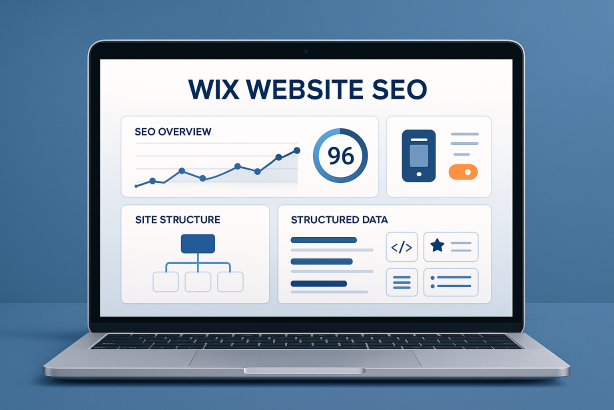

Schema markup is a powerful tool that can have a significant impact on your website’s SEO performance. Essentially, schema markup is a piece of code that you can add to your website to help search engines better understand the content on your pages. By providing search engines with additional information about your website, you can improve the way your site is displayed in search results. In this blog post, we will explore the role of schema markup in SEO and why it is important for your website’s overall search engine optimization strategy.
One of the key benefits of using schema markup is that it can help your website stand out in search results. When you add schema markup to your website, search engines can display more information about your website, such as ratings, reviews, and pricing information, directly in the search results. This additional information can make your website more attractive to users and increase the likelihood that they will click on your website over your competitors.
Another important benefit of schema markup is that it can help search engines better understand the content on your website. By providing search engines with more information about your website, you can improve the way your website is indexed and ranked in search results. This can help your website rank higher in search results for relevant keywords and phrases, which can drive more organic traffic to your website.
Schema markup can also benefit your website’s SEO performance by helping search engines understand the context of your content. For example, if you have a recipe website, you can use schema markup to provide search engines with information about the ingredients, cooking time, and serving size of your recipes. This additional context can help search engines better understand the relevance of your content and improve your website’s ranking in search results.
In addition to improving your website’s SEO performance, schema markup can also help improve the user experience on your website. By providing search engines with more information about your website, you can ensure that users are presented with accurate and relevant information in search results. This can help increase user engagement and reduce the bounce rate on your website, which can ultimately lead to higher conversions and more revenue for your business.
In conclusion, schema markup plays a crucial role in SEO and should be an essential part of your website’s search engine optimization strategy. By providing search engines with additional information about your website, you can improve the way your website is displayed in search results, increase your website’s visibility and ranking, and ultimately drive more organic traffic to your website. If you want to improve your website’s SEO performance and stand out from the competition, consider implementing schema markup on your website today.