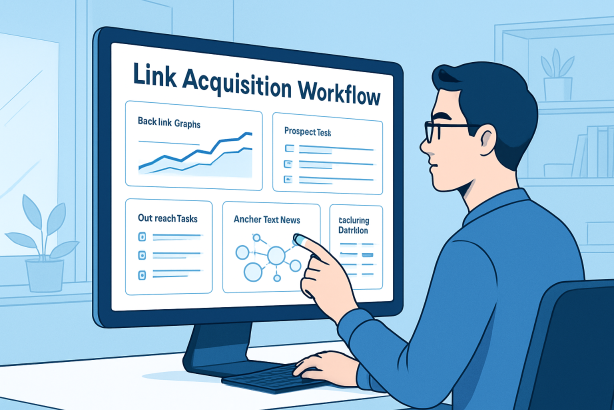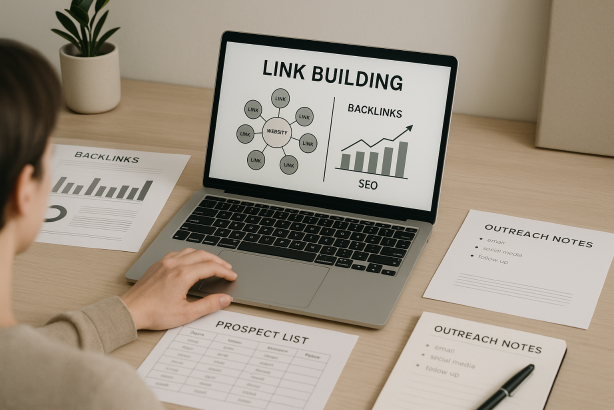

Link building becomes far more effective when it runs on a process instead of intuition. The best SEO tools do not magically earn backlinks, but they do help you find the right pages, evaluate real opportunities, organize outreach, and monitor what happens after a link goes live. That matters because strong link building is not just about volume. It is about relevance, quality, timing, and consistency.
In this step-by-step tutorial, you will learn how to use SEO tools to support every major stage of a link building campaign. The goal is simple: build a workflow you can repeat without wasting time on weak prospects or unstructured outreach.
Why SEO tools matter in link building
Link building has too many moving parts to manage well with browser tabs and spreadsheets alone. You need to understand which pages are worth promoting, where competitors are getting links, which sites are actually relevant to your topic, and whether a newly earned link stays live and indexable. That is where SEO tools become practical rather than optional.
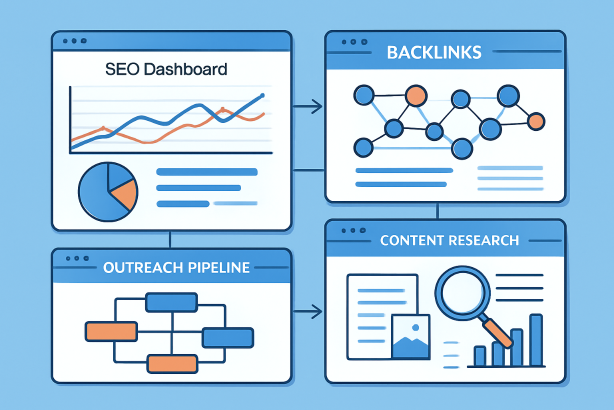
In the link building category, the most useful SEO tools help with four jobs: discovery, qualification, outreach, and monitoring. If your workflow covers all four, you are much more likely to build links that support rankings over time.
| Link building task | How SEO tools help | What to check |
|---|---|---|
| Find prospects | Surface relevant sites, pages, and competitor links | Topic fit, page type, freshness |
| Qualify opportunities | Support backlink analysis and page-level review | Relevance, traffic signals, outbound linking patterns |
| Run outreach | Organize contact lists, angles, and follow-ups | Personalization, status, next action |
| Track results | Handle backlink monitoring after placement | Live status, indexability, anchor context |
Step 1: Start with the page you want to build links to
Before opening any link building tools, define the destination page. This sounds basic, but it prevents one of the most common mistakes in outreach: trying to build links to a page that has little reason to earn them.
Choose a page with clear link value
The page should offer something another site could reasonably reference. That might be a detailed guide, a helpful resource, original product education, a comparison page, or a useful data asset. If the page is thin, overly promotional, or unclear, better prospecting will not solve the problem.
Ask three questions first:
- Is the page genuinely useful to someone outside your business?
- Does it match the topic of the sites you want links from?
- Can you explain in one sentence why another editor would cite it?
Set the outreach goal
Not every campaign has the same objective. Some pages need authority links from niche publications. Others need resource-page placements, unlinked brand mention reclamation, or broken link building opportunities. Your goal affects which SEO tools you rely on most and how you judge prospects later.
Step 2: Use SEO tools to build a prospect list
Once your target page is ready, move into outreach prospecting. This is where SEO tools save the most time because they help you build a list based on evidence rather than guesswork.
Start with competitor backlink research
One of the fastest ways to find relevant opportunities is to review who already links to competing pages. Competitor backlink research shows which sites are comfortable linking within your topic and what kinds of content they reference.
As you review competitor links, group prospects by pattern:
- Editorial mentions in blog posts or articles
- Resource pages and curated lists
- Partner or association pages
- Guest contribution opportunities
- Broken or outdated references that could be replaced
This step is useful because it gives you proven placement types. If multiple competing pages earned links from similar site formats, that pattern is worth testing in your own campaign.
Search for topic-relevant pages, not just domains
Strong link building tools help you go beyond domain-level research. A site may be relevant overall, but only a few pages may actually fit your topic. Focus on pages where your link would make editorial sense. A precise page match usually matters more than a broad domain match.
Build your list around pages that already discuss the topic, cite outside sources, or maintain useful resource collections. This improves both pitch quality and conversion potential.
Include broken link building where it fits
Broken link building works best when you find a relevant dead resource on a page that still serves visitors. If your content is a strong replacement, the outreach angle becomes straightforward: you are not just asking for a link, you are helping improve the page.
Use your SEO tools to identify pages with older references, missing resources, or outdated guides. Then check whether your target page is genuinely suitable before adding that prospect to the list.
Step 3: Use SEO tools to qualify link opportunities
A long prospect list is not the goal. A qualified prospect list is. This is where backlink analysis becomes critical, because it helps you avoid spending time on pages that look attractive at first glance but add little strategic value.
Prioritize relevance before raw authority
It is easy to overvalue broad authority signals. In practice, a highly relevant page on a respected niche site can be more useful than a stronger general site with weak topical overlap. Review the page topic, the site audience, and the surrounding content before deciding a prospect is worth outreach.
Use a simple qualification filter:
- Topical fit: Does the page clearly relate to your subject?
- Editorial quality: Is the site maintained and readable?
- Link context: Would your link fit naturally in the content?
- Site behavior: Does the site link out responsibly or excessively?
Review traffic and indexability signals
A link on a page that is not indexed or no longer maintained may bring limited value. During qualification, check that the page appears live, searchable, and active enough to justify outreach. You do not need perfect traffic metrics for every prospect, but you do need signs that the page still matters.
Watch for poor outbound link patterns
Some sites publish large amounts of low-quality content, add links with little editorial judgment, or appear built mainly to sell placements. SEO tools can help surface patterns, but manual review is essential. If a site looks untrustworthy, move on. Link building is often improved more by what you skip than by what you chase.
Step 4: Match the outreach angle to the page
After qualification, your next job is to decide why each site should link to your page. The most effective link outreach is specific to the page, not generic to the domain.
Choose the right angle
Most link opportunities fit one of a few outreach angles:
- A better resource for an existing topic mention
- A replacement for a broken or outdated link
- An additional source that strengthens a guide or article
- A relevant inclusion on a resource page
- A response to an unlinked brand or product mention
When your outreach prospecting is organized by angle, writing emails becomes faster and more persuasive.
Find the right contact with context
Do not treat contact discovery as a separate admin task. The person you reach out to should make sense for the page. A site owner, editor, content manager, or article author may each be the right contact depending on the page type.
Record the page URL, contact name, role, and the reason the link belongs there. If you cannot explain the fit in a short note, the prospect likely needs more review.
Write a pitch tied to the page itself
The best outreach emails feel editorial, not mass-produced. Mention the page, the exact section where your resource fits, and the reason it improves the content. Keep the message short, direct, and useful.
A weak pitch says, “We have a great article you might want to link to.” A stronger pitch explains exactly what the editor can update and why that update helps readers.
Step 5: Organize follow-up so opportunities do not disappear
Even strong prospects are often lost because campaigns lack structure after the first email. SEO tools and supporting workflows should make follow-up predictable rather than improvised.
Track every prospect status
Your list should clearly show where each opportunity stands:
- Not contacted
- First email sent
- Follow-up scheduled
- Replied
- Link live
- Rejected or closed
This prevents duplicate outreach, missed replies, and stalled prospects that quietly disappear from the campaign.
Keep follow-ups useful
Good follow-up is a reminder, not pressure. Reference the original page, restate the value briefly, and give the recipient an easy way to act. One or two professional follow-ups are usually enough. If there is no response after that, focus your time elsewhere.
Step 6: Use SEO tools for backlink monitoring after placement
Winning the link is not the final step. Backlink monitoring matters because links can change, disappear, or move to a weaker context over time.
Verify the link quality
Once a link goes live, check the placement manually. Confirm that:
- The link points to the correct page
- The surrounding content still supports the topic
- The page is accessible and indexable
- The anchor text is natural and accurate
Review the campaign at the page level
Do not measure success only by total links acquired. Review which outreach angles, page types, and prospect sources produced the best placements. Over time, this improves your judgment and helps you refine which link building tools deserve the most attention in your workflow.
Common mistakes when using SEO tools for link building
- Starting with tools instead of strategy: always begin with the target page and the reason it deserves links.
- Chasing metrics without context: authority signals matter, but topical relevance matters more.
- Prospecting at the domain level only: links happen on pages, so page fit should guide outreach.
- Using one email template for every contact: personalization should come from the page, not just the site name.
- Ignoring backlink monitoring: a link earned but never checked can become a missed opportunity.
A simple weekly workflow you can repeat
If you want a manageable system, split your work into weekly blocks:
- Day 1: choose the page and define the outreach angle
- Day 2: run competitor backlink research and build a prospect list
- Day 3: qualify prospects with backlink analysis and manual review
- Day 4: prepare contact details and send link outreach
- Day 5: update statuses, schedule follow-ups, and review any live links
This cadence keeps link building moving without turning it into a chaotic side project.
Ready to turn research into a cleaner SEO workflow?
If you want a more organized way to support keyword targeting, page prioritization, and the broader SEO work around link building, take a look at Rabbit SEO. The right platform will not replace strategy, but it can make a disciplined process much easier to maintain.
Conclusion: SEO tools make link building more repeatable
The real value of SEO tools is not that they promise shortcuts. It is that they help you build a repeatable link building system: choose the right page, find relevant prospects, qualify them carefully, send better outreach, and monitor what you earn. When you use SEO tools that way, link building becomes less reactive, more strategic, and far easier to scale with quality intact.