
If you are asking how to get more website visitors right now, the answer has changed in an important way. The biggest trend in SEO is no longer about chasing a small set of rankings and hoping traffic follows. The brands gaining momentum are building visibility across multiple search surfaces, aligning content tightly to intent, and earning the click with stronger pages.
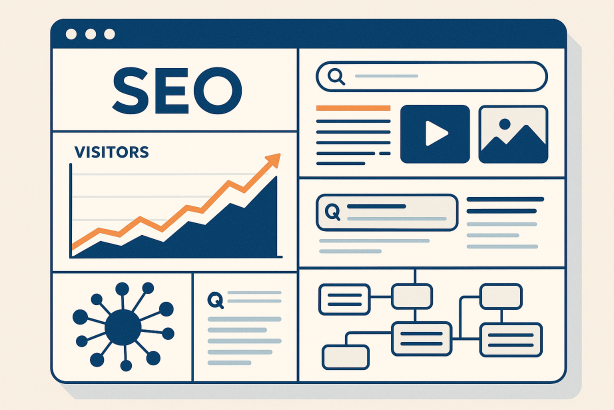
That shift matters because search results are more layered than they used to be. A single query can now surface guides, category pages, videos, image packs, forum discussions, local listings, and branded assets at the same time. In other words, traffic growth is becoming a visibility game as much as a rankings game. For publishers, service businesses, ecommerce brands, and SaaS teams, that changes the playbook.
This is why the current conversation in SEO News is not just about algorithm volatility. It is about how discoverability works now. If you want a practical answer to how to get more website visitors, you need a strategy built for today’s search environment: topic depth, format coverage, click appeal, technical consistency, and repeat engagement.
Why how to get more website visitors looks different now
The older approach to traffic growth was relatively simple: publish a page, target a keyword, build a few links, and wait. That still has value, but it is no longer enough on its own. Modern search results reward relevance at a finer level. Search engines are getting better at understanding whether a page answers a specific need, whether a brand has real topical authority, and whether a result deserves the click.
At the same time, user behavior is more fragmented. People discover brands through classic blue links, News results, video results, images, comparison content, discussions, and branded searches. That means your website traffic strategy has to cover more than one format and more than one stage of the journey.
- Informational intent drives discovery and awareness.
- Commercial intent captures comparison and buying research.
- Navigational intent reflects brand demand and returning visitors.
- Transactional intent turns visibility into revenue.
The hot trend is clear: the websites that grow are not just ranking pages. They are building search ecosystems around core topics and customer intent.
The hot trend in SEO News: multi-surface search visibility
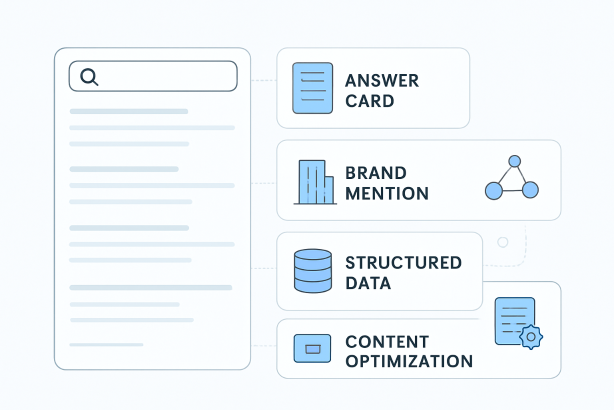
If there is one trend worth watching, it is the move from single-page ranking tactics to multi-surface search visibility. In practice, that means showing up wherever relevant searchers are likely to engage: blog posts, landing pages, comparison pages, FAQs, image-driven content, video-supported pages, and branded assets.
This matters because search engines increasingly blend result types. A text-heavy article alone may not be the best asset for every query. Sometimes users want a quick comparison table. Sometimes they want a visual tutorial. Sometimes they want pricing clarity or a category page. Your job is to match the page type to the search need, not force every query into the same content template.
| Old playbook | What changed | Better move now |
|---|---|---|
| Target one primary keyword per page | Search intent is broader and result pages are mixed | Build topic clusters that cover related questions and formats |
| Publish more pages to grow traffic | Thin or overlapping pages can dilute performance | Refresh, consolidate, and relaunch high-potential assets |
| Focus on rankings alone | Visibility without clicks does not produce growth | Improve titles, snippets, structure, and on-page persuasion |
| Treat blog content separately from money pages | Users move across research and buying stages quickly | Connect informational pages to commercial pages with smart internal links |
For any business wondering how to get more website visitors, this is the most useful way to frame the challenge. You are not trying to win one ranking. You are trying to own more of the search journey.
How to get more website visitors with a topic-and-intent strategy
The first practical shift is to stop planning content around isolated keywords and start planning around topics, subtopics, and intent. This is where topical authority becomes commercially meaningful. A site that covers a subject with depth sends stronger relevance signals than a site that publishes scattered articles with no clear structure.
Map pages to intent before you write
Before creating any page, ask what the searcher actually needs at that moment. A query can look high volume and still be low value if the page type does not align with intent.
- Use educational guides for broad, early-stage questions.
- Use comparison pages for evaluation-focused searches.
- Use service or product pages for high-intent transactional searches.
- Use FAQ and support content to capture long-tail problem solving queries.
This is where search intent optimization beats generic content production. Better intent matching often creates more traffic upside than publishing a higher quantity of pages.
Build topic clusters that connect discovery to conversion
A strong cluster usually includes one main pillar page and several supporting pages around adjacent questions, use cases, comparisons, and objections. The goal is not simply to rank more URLs. The goal is to make it easy for users and search engines to understand your depth on the subject.
For example, a service business might build a cluster around a core service page, then support it with pages covering pricing considerations, common mistakes, checklists, timelines, comparison topics, and glossary-style support content. This approach helps increase organic traffic while also improving conversion paths.
How to get more website visitors by publishing for the SERP you actually see
One of the most common reasons content underperforms is simple: the page does not match the result page reality. If the search results are full of list posts, a generic sales page may struggle. If the results show product pages and commercial comparisons, a broad educational article may not be competitive.
Before creating or updating a page, review the current results and ask:
- What formats dominate the page?
- Are the top results fresh or evergreen?
- Do they rely on visuals, tables, step-by-step sections, or short answers?
- Is the query informational, commercial, or mixed?
Then build the page accordingly. This is one of the clearest ways to improve long-tail keywords performance because long-tail searches often reveal very specific format expectations.
Format matters more than many teams think
If a result set favors practical content, your page should include practical elements. Useful additions may include:
- Clear comparison tables
- Process steps and checklists
- Short summary boxes near the top
- Examples of when to choose one option over another
- Strong internal links to related deeper pages
When your content fits the query format, it becomes easier to win both rankings and clicks.
Refresh, consolidate, and relaunch before publishing more
Another major trend in current SEO work is the renewed focus on content quality control. Many sites do not have a traffic problem because they lack enough content. They have a traffic problem because they have too much overlap, too many weak pages, or too many outdated assets.
If you want to know how to get more website visitors without expanding your editorial calendar endlessly, audit what already exists.
- Refresh pages that still match current demand but need stronger examples or structure.
- Consolidate overlapping posts targeting nearly identical queries.
- Redirect thin or obsolete pages that no longer serve a purpose.
- Update internal links so your strongest pages receive more support.
This often creates faster gains than starting from scratch. A refreshed page already has history, indexing, and in some cases backlinks or established relevance. Treat existing content as an asset base, not a content graveyard.
Increase organic traffic with stronger click-through rate optimization
Plenty of pages lose traffic not because they fail to rank, but because they fail to attract the click. That is why click-through rate optimization has become a more important growth lever. In crowded results, small improvements to relevance and clarity can make a meaningful difference.
Write titles that promise a clear payoff
Your title tag should do more than include a keyword. It should tell searchers why your result is worth their time. Strong titles usually combine relevance, specificity, and a concrete benefit.
Better examples of title direction include:
- Practical frameworks
- Clear comparisons
- Outcome-led phrasing
- Time-sensitive language when freshness matters
Meta descriptions still matter as supportive copy. They may not control rankings, but they help reinforce the click decision. Use them to summarize value, not to repeat the title.
Improve on-page scanning once the visitor arrives
Winning the click is only half the job. If visitors land on a wall of text, weak formatting, or vague messaging, they bounce. Structure your page so people can quickly confirm they are in the right place.
- Lead with a direct answer or summary.
- Use descriptive subheads.
- Break complex sections into lists and tables.
- Place next-step links where they are actually useful.
Better usability supports traffic growth because satisfied visitors are more likely to keep reading, visit another page, remember your brand, and return later.
Use internal links as a traffic distribution system
Internal linking is often treated as an afterthought, but it is one of the most controllable ways to improve a website traffic strategy. Every new page should strengthen your existing site architecture, not sit alone.
Strong internal linking does three things at once:
- It helps search engines discover and understand related pages.
- It passes context and authority across your topic clusters.
- It moves visitors from awareness content toward commercial pages.
When reviewing content, look for opportunities to link from high-traffic informational pages to comparison pages, service pages, product pages, and conversion assets. Also link laterally between supporting posts that answer adjacent questions. This reduces dead ends and helps more pages benefit from the visibility your top performers already earn.
Do not ignore technical SEO just because the trend sounds editorial
The current traffic trend is heavily driven by content strategy, but technical SEO still sets the floor for performance. If key pages are hard to crawl, slow to load, poorly linked, or cannibalized by duplicates, even excellent content can stall.
At minimum, review these technical essentials:
- Indexing: Make sure important pages can be found and indexed.
- Crawl paths: Keep valuable pages within a reasonable click depth.
- Canonical logic: Reduce duplicate or competing versions of similar pages.
- Mobile usability: Ensure content is readable and navigable on smaller screens.
- Core page experience: Remove layout friction and obvious speed bottlenecks.
Technical SEO will not replace great content, but it protects the upside of every other traffic initiative.
Turn one-time visitors into recurring visitors
If your definition of growth ends at the first click, you are leaving value on the table. One of the smartest answers to how to get more website visitors is to make every visit more likely to become a second visit.
That means thinking beyond acquisition and building return paths:
- Offer newsletters or update subscriptions tied to your core topic.
- Create resource hubs worth bookmarking.
- Build branded series so users recognize recurring value.
- Link related articles in a deliberate sequence, not randomly.
- Make core navigation and category pages genuinely useful.
Search engines notice when brands build real demand. A site that earns more branded searches, more direct visits, and stronger return behavior becomes less dependent on a single ranking outcome.
A practical 90-day plan for how to get more website visitors
If you need an execution framework, keep it simple and focused.
Days 1 to 30: diagnose and prioritize
- Audit your top traffic pages, top conversion pages, and underperforming high-potential pages.
- Group content by topic cluster and identify overlap.
- Review search results for your most valuable queries to confirm intent and format fit.
- Find internal link gaps between informational and commercial pages.
Days 31 to 60: improve existing assets
- Refresh the pages closest to page one or already earning impressions.
- Rewrite weak title tags and meta descriptions.
- Add missing comparison tables, FAQs, summaries, and next-step links.
- Consolidate duplicate or thin content where appropriate.
Days 61 to 90: expand with precision
- Publish supporting pages that complete your strongest clusters.
- Create content for clear commercial and long-tail gaps.
- Strengthen category or service pages with better supporting content.
- Measure which updates drive better visibility and replicate that pattern.
This approach is more disciplined than publishing at random, and it aligns directly with today’s most important SEO trends.
Common mistakes that slow traffic growth right now
- Publishing without intent validation: A well-written page can still miss the market if it targets the wrong need.
- Ignoring commercial content: Many sites overinvest in awareness and underinvest in comparison, pricing, and solution pages.
- Creating too many similar posts: Keyword variation alone is not a content strategy.
- Neglecting click appeal: Rankings do not guarantee traffic.
- Weak internal linking: Great pages often fail because they are isolated.
- Forgetting return mechanisms: Not every traffic win should start from zero.
The teams that move fastest now are the ones that operate with sharper editorial judgment, not just higher publishing volume.
Turn this trend into a working SEO system
Knowing the trend is useful. Turning it into a repeatable operating system is where the real commercial value appears. If your team wants a clearer way to monitor search performance, spot content opportunities, and keep optimization work moving, Rabbit SEO can help bring structure to that process.
Commercial CTA: Visit Rabbit SEO to explore more actionable SEO insights and build a traffic strategy that is based on execution, not guesswork. The faster you turn visibility into a system, the faster you can turn traffic into growth.
Final thoughts on how to get more website visitors
The modern answer to how to get more website visitors is not to chase every keyword or flood your site with content. The winning move is to align with the hot trend reshaping search: broader visibility across search surfaces, stronger topic depth, better intent matching, sharper click appeal, and smarter internal distribution.
If you focus on those fundamentals, you do more than increase sessions. You build a site that earns discovery, deserves attention, and converts visibility into business value. That is what sustainable traffic growth looks like now.