
In today’s digital world, having a strong online presence is essential for businesses to thrive. With the increasing use of mobile devices, it comes as no surprise that search engines are shifting their focus towards mobile-first indexing. This shift has a significant impact on search engine optimization (SEO) strategies and practices.
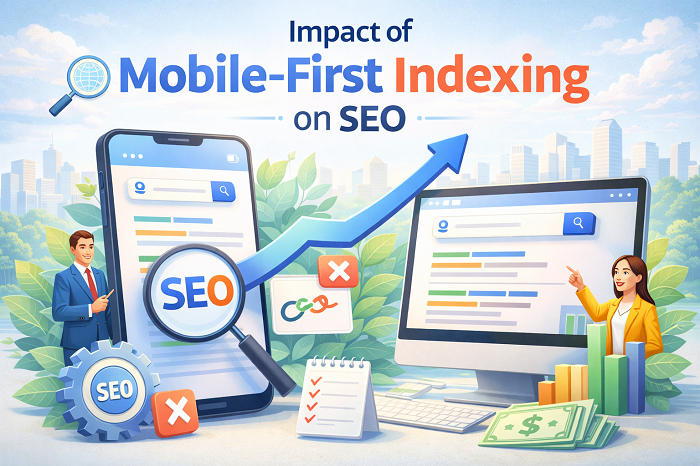
Mobile-first indexing refers to Google’s method of crawling and indexing websites based on their mobile version. This means that Google primarily uses the mobile version of a site for ranking and indexing, rather than the desktop version. With more users accessing the internet through their smartphones and tablets, Google aims to provide them with search results that are optimized for mobile devices.
The impact of mobile-first indexing on SEO is undeniable. Websites that are not mobile-friendly may experience a drop in their search ranking, leading to a decrease in organic traffic and ultimately, business revenue. On the other hand, websites that prioritize mobile optimization stand to benefit from improved search visibility and user experience.
One of the key factors that determine a website’s mobile-friendliness is its responsiveness. A responsive website is one that adapts to different screen sizes and resolutions, ensuring that it looks and functions well on any device. Google favors responsive websites in its search results because they provide a better user experience for mobile users.
To optimize a website for mobile-first indexing, webmasters need to ensure that their site is responsive and mobile-friendly. This includes using a mobile-responsive design, optimizing images and videos for mobile viewing, and improving page speed on mobile devices. By following these best practices, websites can improve their search ranking and attract more organic traffic from mobile users.
Another important aspect of mobile-first indexing is the need for high-quality, relevant content. Google’s algorithms prioritize websites that provide valuable and useful content to users, regardless of the device they are using. Websites that offer a seamless user experience on mobile devices and deliver high-quality content are more likely to rank higher in search results.
In addition to responsiveness and content, webmasters also need to pay attention to technical SEO aspects when optimizing for mobile-first indexing. This includes optimizing meta tags, headers, and URLs for mobile search, as well as ensuring that there are no technical issues that could hinder crawling and indexing on mobile devices.
Furthermore, mobile-first indexing underscores the importance of local SEO for businesses with physical locations. With more users conducting local searches on their mobile devices, businesses need to ensure that their website is optimized for local search. This includes creating a Google My Business profile, optimizing for local keywords, and ensuring that contact information is easily accessible on mobile devices.
Overall, the impact of mobile-first indexing on SEO is clear – websites that prioritize mobile optimization are more likely to rank higher in search results and attract more organic traffic. By focusing on responsive design, high-quality content, and technical SEO, webmasters can ensure that their website is optimized for mobile-first indexing and set themselves up for success in the increasingly mobile-centric digital landscape.
In conclusion, mobile-first indexing is a game-changer for SEO, as it underscores the importance of mobile optimization for websites. With more users accessing the internet through their smartphones and tablets, businesses need to prioritize mobile-friendly design and content to improve their search ranking and attract more organic traffic. By following best practices for mobile-first indexing, webmasters can ensure that their website is optimized for mobile search and set themselves up for success in the mobile-first world.